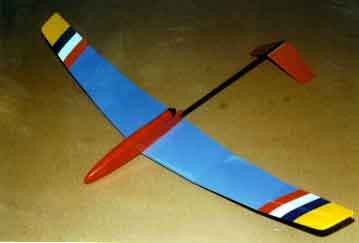
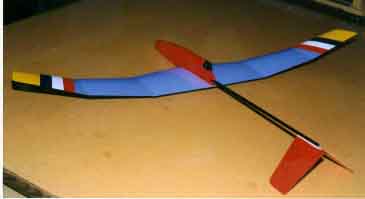
(coming soon)

CUDA R/C R/G Pages

R/C RBG Main
Cuda Main
Modifications
Fuselage Assembly
Wing Assembly
Tail Assembly
Cuda Links
Photos
Cuda-Flap

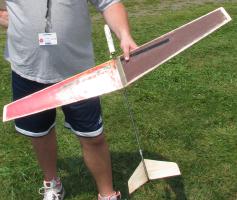
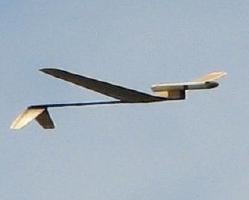
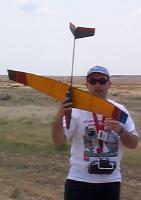
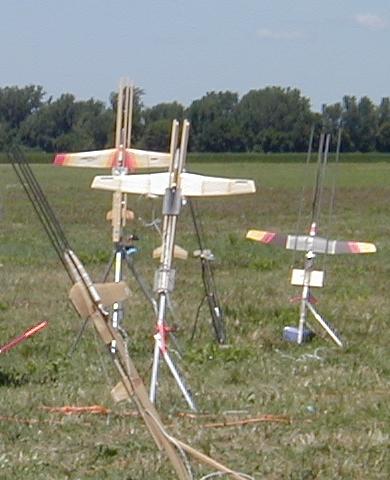
CUDA R/C Rocket Glider
Fuselage Assembly
    

      STOCK KIT - Building the kit as per the manual

From the old VectorAero website


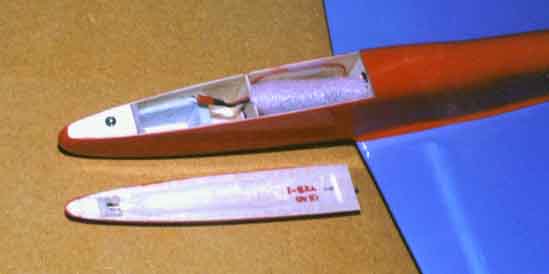
Nose Hatch off

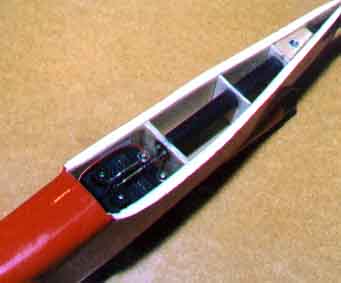
Bottom View, Wing Mount

The photos below were made by Alex Seltskas when he built one of his Cuda models.
If anyone has any better and larger assembly photos, please send them to me.

Bottom View

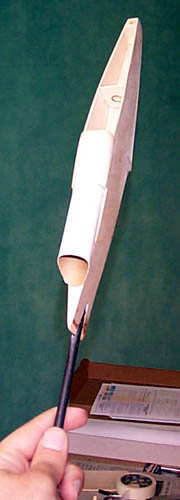
Near-Top view

Test fit of Wing and fuselage

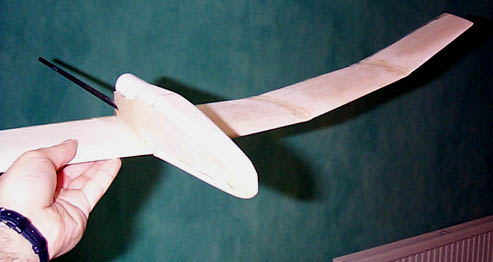
Complete Model - near front view


      Fuselage Modifications - Small changes

  • Reinforce the fuselage sides - The 1/16" balsa sides are somewhat weak. After doing the rough assembly, glue 1/64" plywood or .010" G10/Waferglass to the sides. Or, add the balsa to the bottom of the fusealge, sand it curved, then add some 3/4 oz. fiberglass.
  • Lengthen the forward fuselage - Some Cudas have needed noseweight due to a mix of the tail being a bit heavy, pus more recently the advent of even lighter radio gear which is mounted in front of the CG. To lengthen the forward fuselage, you would need to either draw up and cut out a totally new set of sides, or work up some extension pieces to glue to the existing sides. Also use the above tip to reinforce the fuselage sides.
  • Replace the Tailboom - the origina was somewhat heavy, made of fiberglass. I have used Avia G-Force Tapered Graphite boom. It is carried by the "Into The Wind" Kite company. I suggest the 32.5" models ultra-light, but not the Skinny ultra-light as that seems too thin. Take note that if you are using the laser-cut parts, that the original holes may not match the diameter of the boom. Most likely the hole will be too big. If so, wrap masking tape around the boom to build up the thickness, and get the fit just right in dry-fit testing. Later, you can use thin CA to glue the boom in place.
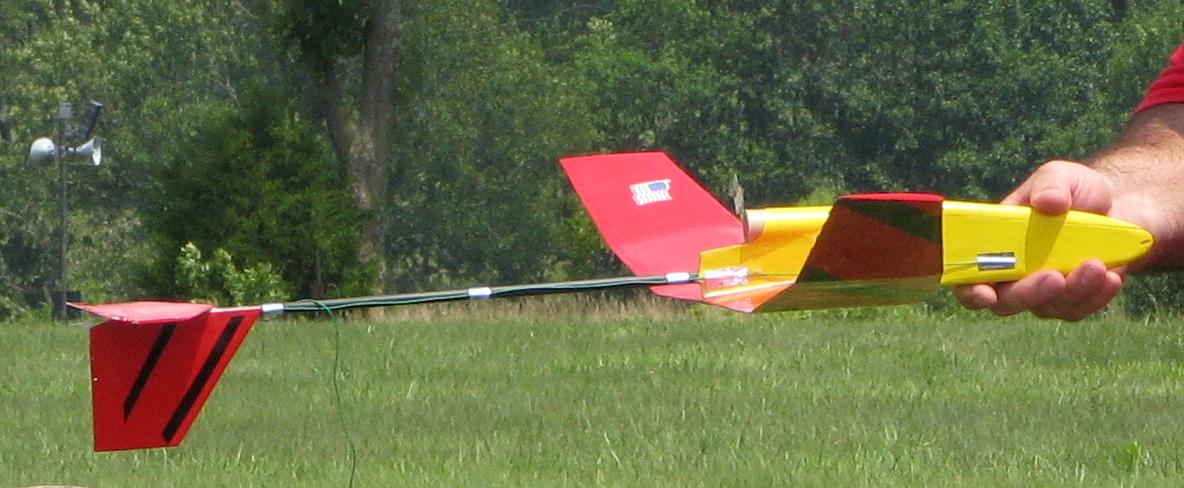
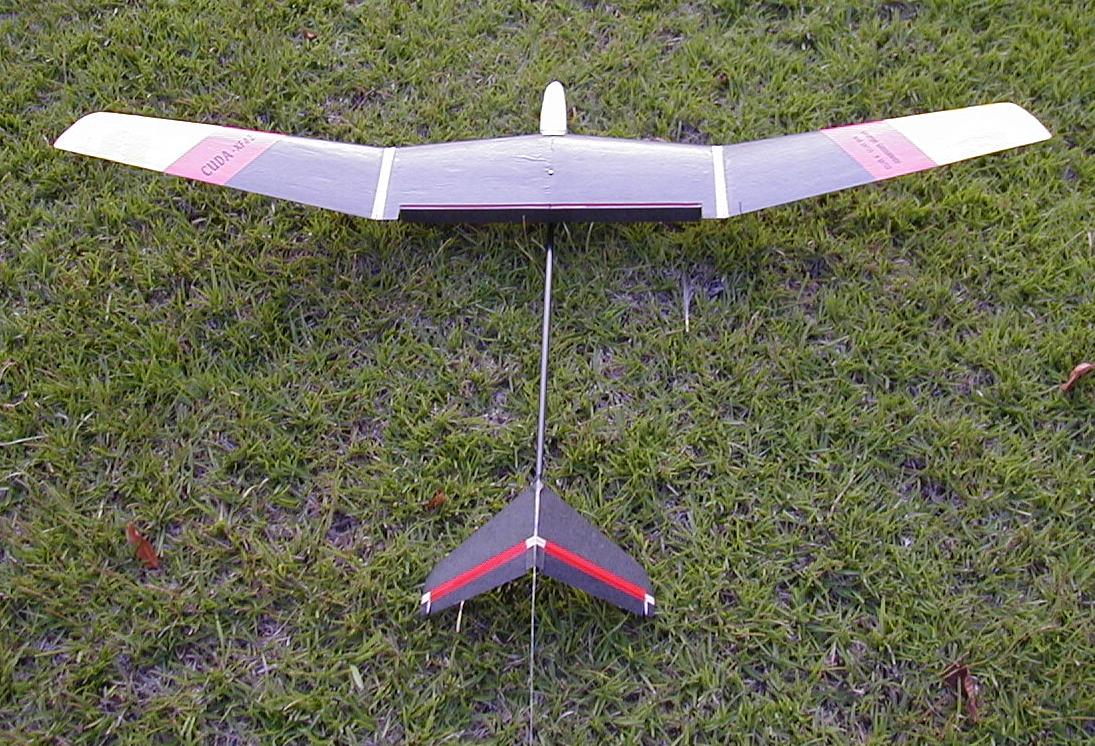
  • T" Tail - Unless you have done V-tails before, use the "T" Tail option.


"T" Tail Option on Jim Filler's Cuda

      Fuselage Modifications - Big changes

  • Home-Made Balsa Pod - Redesign the pod entirely. But you should try to keep the original thrustline.
  • Use a "Stick" Fuselage - Extend the fiberglass or graphite fuselage several inches in front of the fuselage, as with a Stingray. Mount the receiver and batteries inside the 24mm engine mount tube (use a longer tube), and the servos in a hollow pylon.
  • Wing Mount - If you use a "Stick", fuselage, you will need a way to mount the wing, if you want to be able to remove the wing for transport. See the photos on Bob Parks' Raven-9 page, to see how it can be done.
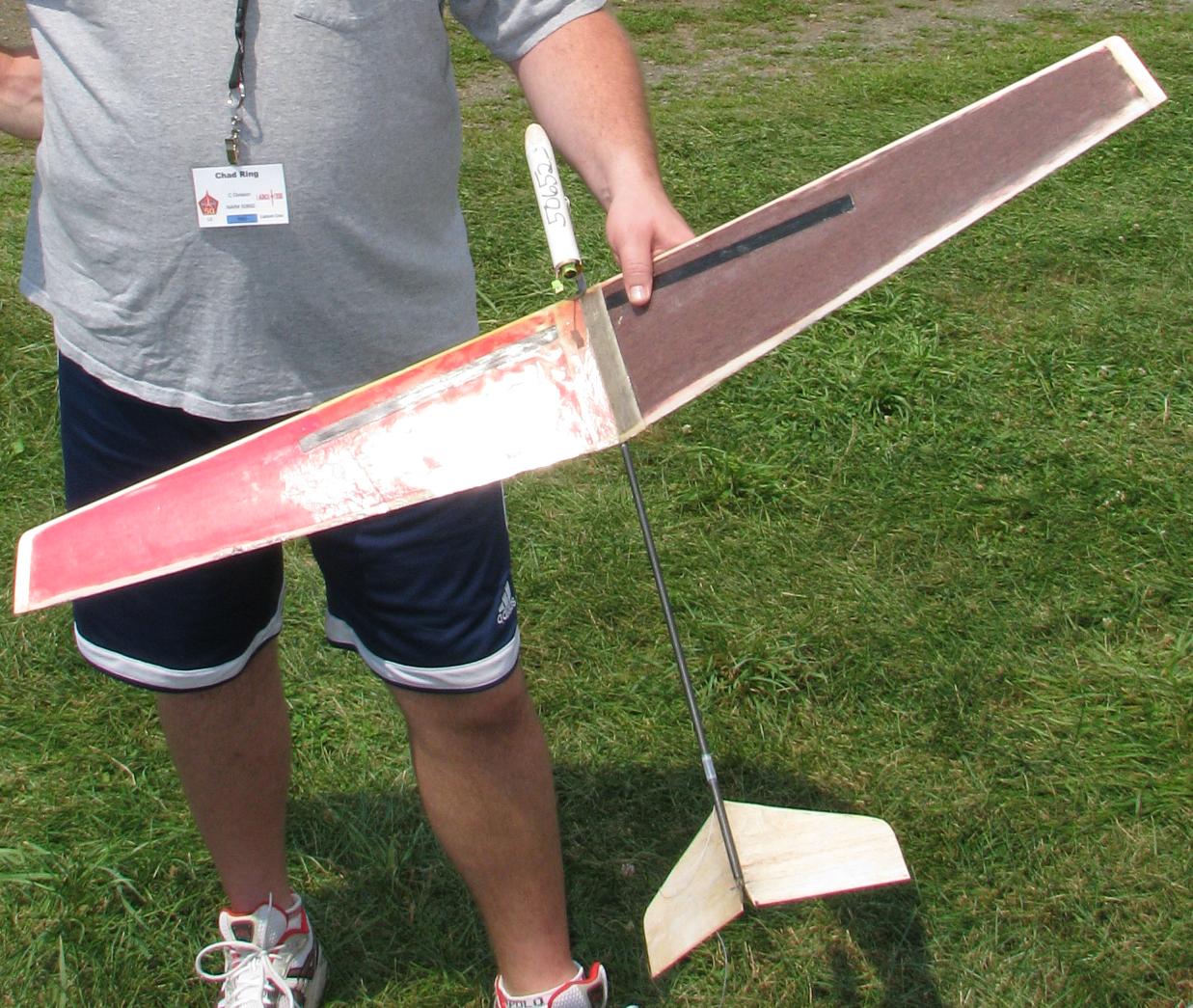
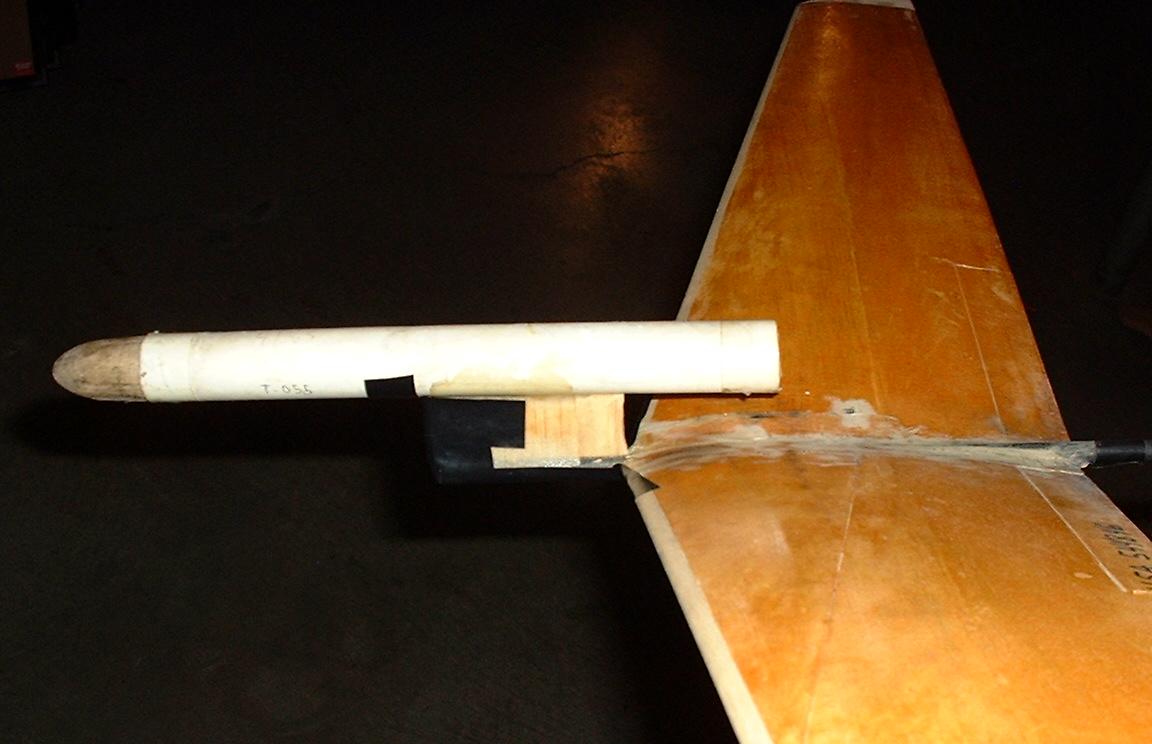
  • Wing Mount - Just Glue It. Some of the birds that have used "Stick" fuselages have also glue the wing directly to the boom. such as Chad Ring's Light cuda, and Ryan Woebkenberg's Cuda Ray.
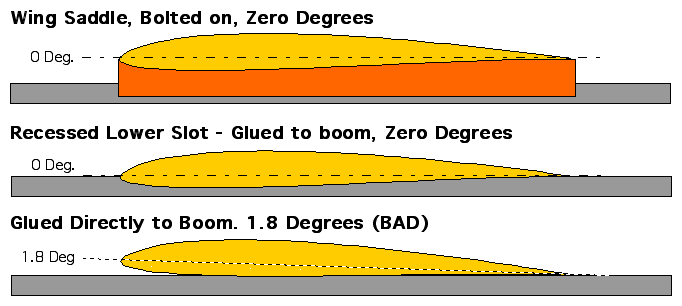
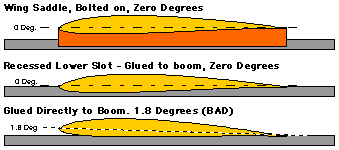
  • Wing Mount Warning - Any change you make to the wing mount, you must keep the same angle of attack between the wing and the fuselage. On the Cuda, the wing is supposed to be at zero degrees angle of attack (parallel) to the boom. If you make a Saddle mount, you will need to make it so the wing will be parallel to the boom. If you glue the wing on, you will either have to make a saddle, or cut and sand a notch in the bottom of the boom then add fiberglass cloth to reinforce the bottom of the wing that was notched out. As seen in the third example below, if you just glued the mostly flat part of the wing to the boom, it would have an angle of attack of 1.8 degrees, which would cause it to pitch up very badly.
Bob Parks' Raven-9 Servos

Wing Mount Saddle for Raven-9

Chad Ring's Light Cuda

Ryan Woebkenberg's Cuda Ray


Chad Ring's Light Cuda

Ryan Woebkenberg's Cuda Ray
.
George's Cuda-Flap